

Culture Study part 3 of 5: History of American Culture
You can download the whole study HERE
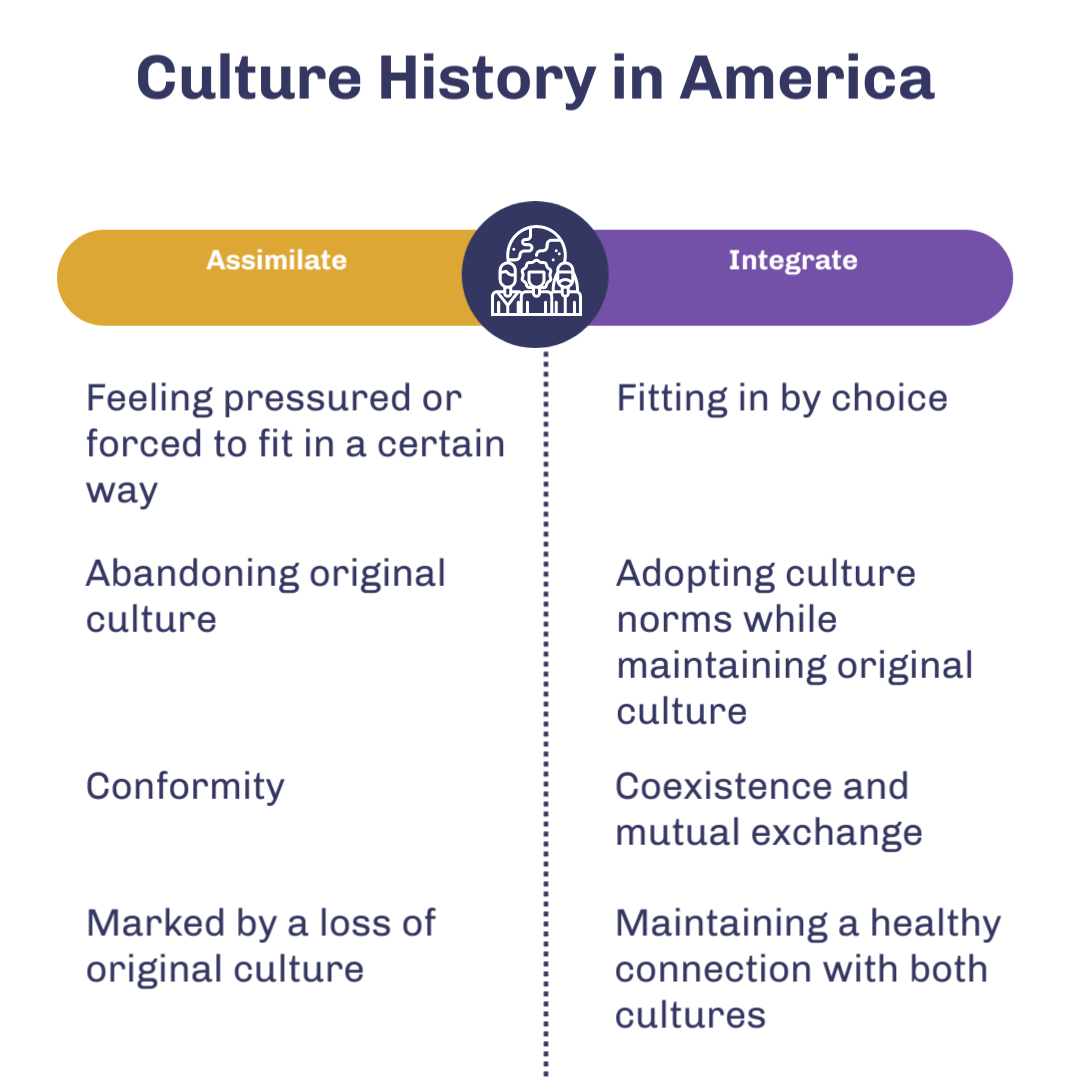
American culture was officially created by the American Revolution. People (white, landowning, influential men) got together and decided that they would break ties with England and British culture, and create their own American culture with “We the People” and all that. That was decided by a certain part of the people living in the geography of America. I think many of them had ideals that included more than just white landowning men, but culturally (how it was lived out) it was that.
Africans were forced to come to America through the slave trade. They were also forced to give up their culture. They were forced into a category that today is called “Black.” Before the Civil War, that category of people was synonymous with “Slave.” In enslaver’s messed up minds, a person has a culture: an object that is owned does not (or, at best, they are an extension of their owner and their owner’s culture). Black culture exists today because a long time ago, their individual culture was taken away, and this new culture was forced upon them. Their language, ethnicity, family, names, traditions, celebrations, unique clothing, heritage, and religion were all taken away. Over the years, Black culture has become something that Black people have decided to reclaim and remake and celebrate as something of their own, and I think that is something to celebrate, even if it is with a bit of sadness.
When your own culture is lost, let go of, or taken from you, you don’t stay a blank person: you build your own culture. You tell new stories if you are not allowed to (or forget) tell old stories. You pass on a new heritage to your children. Part of you will always feel like it is missing (because it is), but you fill in the gaps the best you can.
The story of white culture is much different. For those deemed white, their original culture may have been looked down upon by the new American culture during emigration, but it was not forcibly and systematically stolen and destroyed. Over America’s history, different ethnic groups were received with different attitudes. Irish and Polish people especially had it hard. Racially, American culture was made up of Black (synonymous for Slave), and “other” those who were not Black, were not slaves, but were not accepted into the majority culture. To distinguish who was the majority culture in power (who made the rules), that was what became known, over the years, as “white.” It was a way of clearly separating and differentiating themselves from the other distinctions they had created. Unlike Black culture (which I capitalize, recognizing the difference here), ethnicities that are part of white culture did not (for the most part) have it taken away from them. Mostly, families over generations let go of distinct ethnicities in favor of their nationality: “American.” This is common for most immigrants to do over time. As long as you gave up enough of your culture to “fit in,” you were normally eventually accepted. In fact, you could keep your traditions/celebrations/unique clothing/heritage/language: as long as you “put them away” when it made others (the dominate white group) feel uncomfortable. In this way, more ethnicities, over time, absorbed into the distinction of “white.”
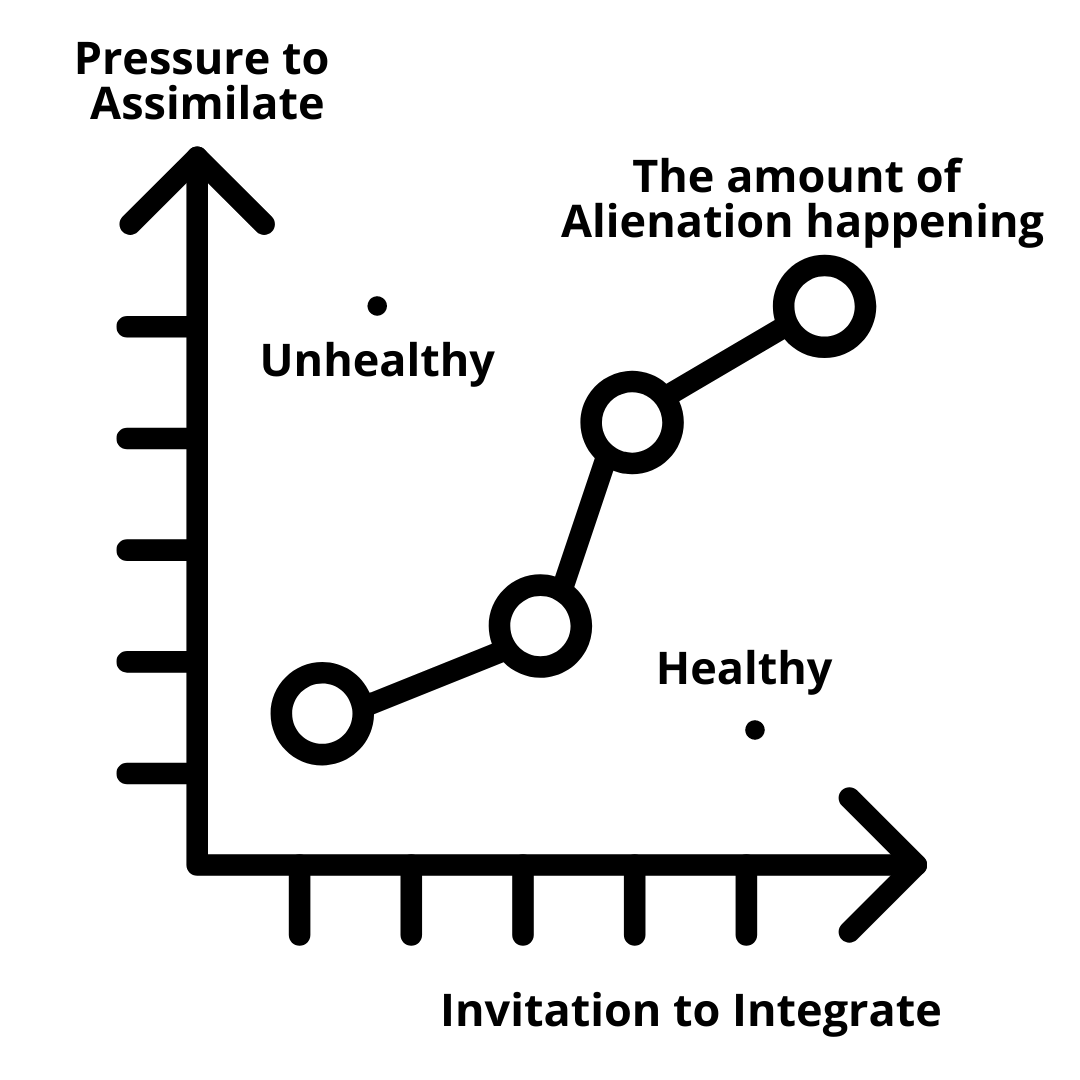
But anyone not white passing? You were “other” or Black. You were not what people thought of as “American.” Most immigrants try one of two things: try to assimilate so hard that people say, “That’s one of the GOOD ones.” Or lean into the idea that you are “other.” Both of these choices lead to a kind of alienation. Alienation is feeling isolated or disconnected. You either alienate yourself from your original culture to assimilate to the new culture, or you alienate yourself from the new culture: making it a part of your own culture to be different, or something other than that new culture. Neither choice is healthy.
Going back to the specific example of my husband: when he came to America at age 5, he was made fun of because of his accent: so he “lost” his accent. He chose to assimilate because of the teasing. He had friends of all different ethnicities and cultures, but the people he respected and who mentored him were mostly white. He was fine with the label “Black,” but didn’t have the same Black experience. His chosen/lived culture was very different from his mother and older siblings who came to America as (mostly) adults. This worked well for his assimilation into American culture, but this was not very healthy for his family life. It wasn’t until we were dating that Caid really started to explore/appreciate his Jamaican heritage and Afro-Jamaican ethnicity. Before that, there was a certain amount of alienation that he felt toward his family. Something, that to become a healthy person, he had to reckon with.
The more forced assimilation is (whether that is by society’s pressure of your own pressure), the more alienation will be involved (toward your original culture, or toward your new culture). Race is not real: but the cultures created by the white majority through American history are real. That’s why we say that race is a social construct, and it feels real to us. As history moves forward, new generations keep creating new combinations of culture to where white culture is becoming less of a majority. It is becoming more socially unacceptable to “push out” people because of their skin color (we call it racism, and it is not currently looked on favorably).
Unfortunately, instead of changing mindsets (or how their culture has “always done it”), many people instead change the lingo they use and say they aren’t rejecting someone because of their ethnicity—but because of their culture: they don’t want those people here who do not assimilate “properly.” And who decides what it means to assimilate properly? The same people who have always decided what is “American,” and what American culture means.