

“Why do You Hate Rich People?”
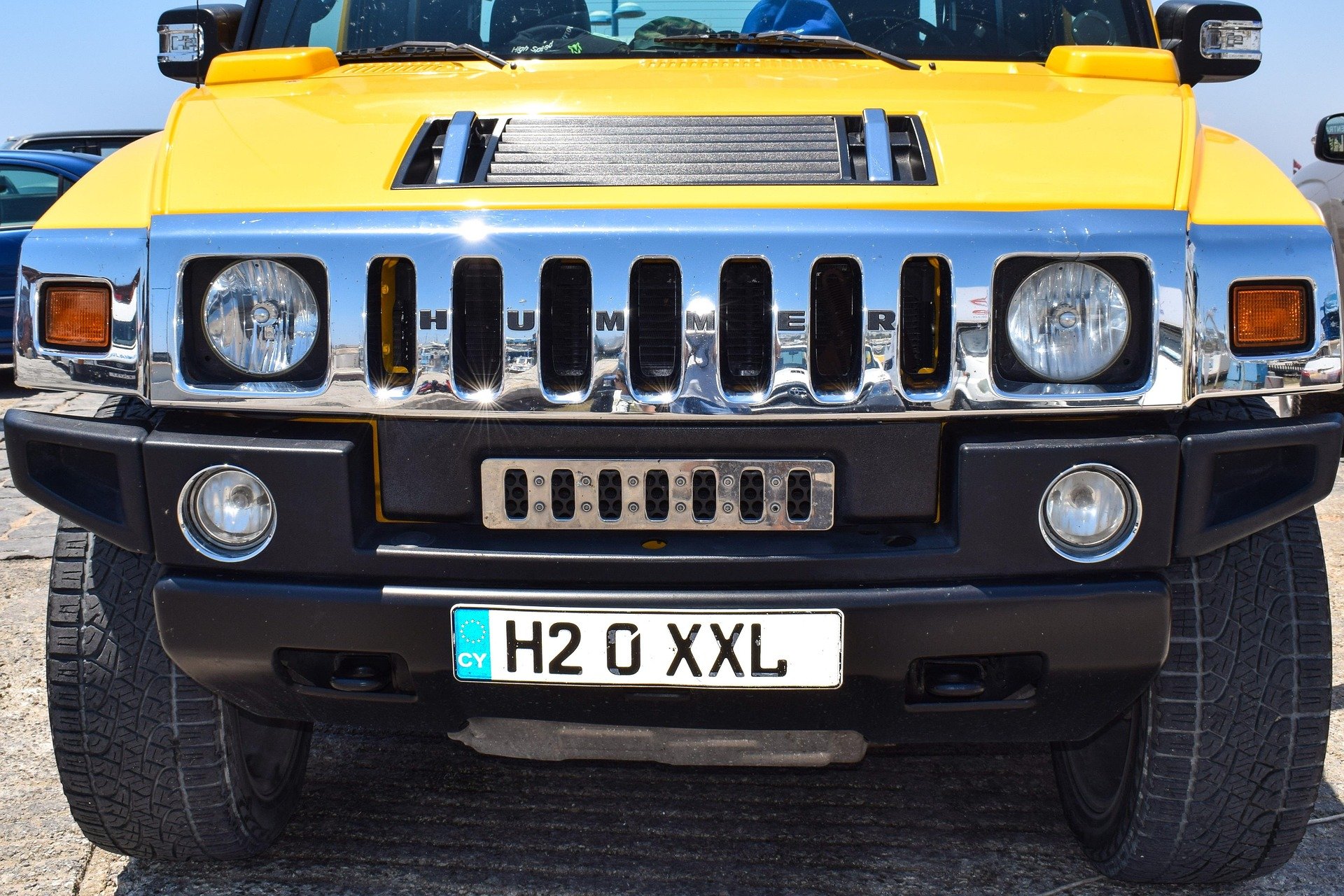
Image by dimitrisvetsikas1969
Caid and I have a running conversation about Hummers. I, with my whole creative self, cannot find a good reason why anyone should own a Hummer in Indianapolis. When I see a Hummer pass by, I make a face or a sighing sound. My husband feels that it is more nuanced, saying, “You don’t know the whole story,” True. I don’t hate rich people. But wealth does feel like a spiritual red flag to me, and I think the Bible treats it that way too.
Biblically, It is hard not to make riches your master/focus/idol (the danger of wealth): Mt. 6:24, Hebrews 13:5, 1 Tim. 6:10. It is rare for rich people to go heaven: Luke 18:25. Jesus even gives advice to people to NOT be rich: Luke 12:33, Mt. 6:19, Luke 6:24. Money isn’t wrong: it is a tool, but a tool that comes with a warning. A person with a lot of money, showing it off through a Hummer, seems to be saying, without words, that they are using this tool for personal gratification: something the Bible is CLEARLY against.
Caid says I should give grace to the Hummer owner. True. But it isn’t my grace that the Hummer driver needs: it’s a life that isn’t about flaunting money, a life that is focused on God. God knows that people, over history, lean to certain injustices/prejudices that are socially acceptable. The things we can get away with: from everyone but God. Favoritism toward the rich is one of these things. James 2 lays it out plain. Our culture is not new in this, and it won’t be the last: we have a general leaning toward admiring rather than warning the Hummer owners. This is not a healthy thing.
The problem isn’t seeing Hummer owners as a red flag: what I need to grow in is caring enough about the Hummer owner to pray for them: because their very soul is in danger. My discomfort with wealth is not misplaced. But my posture toward wealthy people themselves can be better. My reaction should be pity, not anger. It should be sadness that this is how they are expressing their emptiness, rather than listing off how they COULD have used that money. Where I go too far is in believing zero sum politics: that this Hummer owner is the reason why someone else is sitting on the street, homeless. Because he took more of the pie than he should, someone else doesn’t get a piece. That thinking is unhealthy for me, as well as being untrue.
What I am learning is that there are two ways to live. I can focus on what I am against, what is unjust, what is unfair, and what is unhealthy or I can focus on what I am for, what I am working towards, what I hope for the future. I am against rich red flags like Hummers. But what good does that do anyone? I can spend my energy rolling my eyes at Hummers and feeling cynical about wealthy people. Or I can spend my energy becoming more generous, more compassionate, and more committed to justice myself. One path mostly produces frustration. The other actually changes something. There is a time to grieve injustice. But there is also a lifetime of work in becoming the kind of person who reflects God’s heart toward others.
*
I find it beautiful to see how God talks about the poor: How he purposefully identifies himself as one who became poor (2 Cor. 8:9). There are about 3,000 Bible verses about poverty, injustice, and the poor. He continually talks about how He fights for the poor, and He will judge those who hurt them: Psalm 12:5 and many more. He is very aware of how people continue to commonly have prejudice/injustice (that is socially acceptable) against certain kinds of people: the poor, the immigrant, the fatherless and the widow.
We continue to naturally incline toward, and show favoritism to the rich (vs poor), the citizen (vs immigrant), and intact families (vs widow and fatherless). The Bible says not to show partiality: to the rich or the poor. But Franklin Leonard put it well, saying, “When you're accustomed to privilege, equality feels like oppression.”
To many, God specifically calling out, and stickling up for the poor, the immigrant, the fatherless and the widow (Zechariah 7:10, Deu.14:29, 24:17, 10:18, Jer.7:6, 22:3, Is. 1:17, Ps.82:3, James 1:27, Mal. 3:5, Mt. 25:35) feels like partiality, because it reveals how far THEY have been off course showing partiality to the opposite. God is calling them to justice: and to do justice, it costs them something to course-correct, whether that is changing their behavior/beliefs, and/or using their time, energy and yes—even money—to give that justice. If those people believe in zero sum politics, it feels like God is Robin Hood, taking the piece of pie that they’ve always had, and giving it to the homeless man on the corner.
God doesn’t work in zero sum politics. He has it all. God’s heart for the poor is not evidence that He hates the rich; it is evidence that He notices the people the world most easily overlooks. His call to care for the poor, the immigrant, the widow, and the fatherless is not about punishing one group to reward another, but about restoring justice where human beings naturally drift toward favoritism and neglect. And because God is not limited by scarcity, generosity is not a loss to Him. His kingdom is not built on fear that there is not enough to go around. It is built on the abundance of a God who has enough mercy, provision, and love for everyone—and who asks His people to reflect that same heart toward others.